How a volcano erupts
The full chain from a sinking tectonic plate to an ash cloud in the stratosphere — why rock melts, why gas is the real explosive, and why some eruptions flow while others flatten a city.
A plate sinks into the mantle
Most of the volcanoes you have heard of begin nowhere near a mountain. They begin at an ocean trench, where one tectonic plate bends and slides beneath another. That slab creeps downward at about the speed your fingernails grow, dragging old sea floor into the mantle with it.
Seawater rides down with it
The sinking slab is soaked. Water is chemically locked inside its minerals, and once the plate reaches roughly a hundred kilometres down, heat and pressure wring that water out and force it into the hot rock overhead.

The melting point drops
Water does something surprising to rock. It breaks the chemical bonds so the mantle can melt hundreds of degrees cooler than it otherwise would. That single trick is why a chain of volcanoes sits above every subduction zone on the planet.
Mantle rock partly melts
Only a few percent of the rock actually melts, and the liquid part is lighter than the crystals it leaves behind. Those droplets gather into pockets of magma at somewhere around thirteen hundred degrees, and now the rock has somewhere to go.
Buoyant magma forces its way up
Because magma is less dense than the solid rock around it, it pushes upward, prying open cracks as it climbs. In some places it rises several kilometres in a day, in others the same journey takes thousands of years.
Magma pools in a chamber
A few kilometres below the surface the magma stalls and collects in a reservoir. Large chambers hold tens of cubic kilometres of melt, and satellites can watch the whole mountain visibly bulge outward as one of them fills.
The volcano sleeps
Then nothing happens, sometimes for centuries. Mount Pinatubo sat quiet for around five hundred years before nineteen ninety one, which is exactly the problem: the most dangerous volcano is usually the one nobody thought to watch.
Gas comes out of solution
Magma carries dissolved water and carbon dioxide the way a fizzy drink carries its bubbles, held in only by pressure. As the magma rises the pressure falls away, and the gas comes out of solution as millions of rapidly swelling bubbles.
Pressure cracks the roof rock
Those bubbles can expand to hundreds of times their original volume, so the magma shoves hard against the rock above it. Swarms of small earthquakes and ground that tilts by a few centimetres are the mountain warning you the seal is failing.
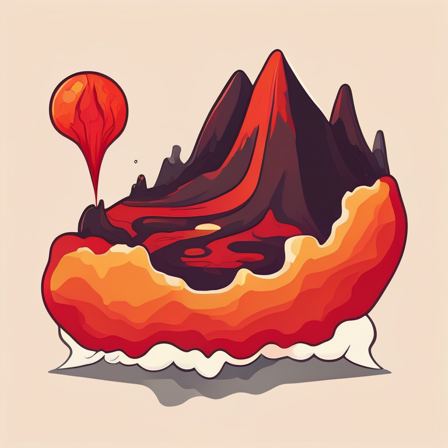
Runny magma or sticky magma
Everything now depends on how runny the magma is, and that depends on how much silica it contains. The gas has to escape up a narrow pipe called the conduit, and whether it gets out gently or all at once decides what kind of eruption you get.
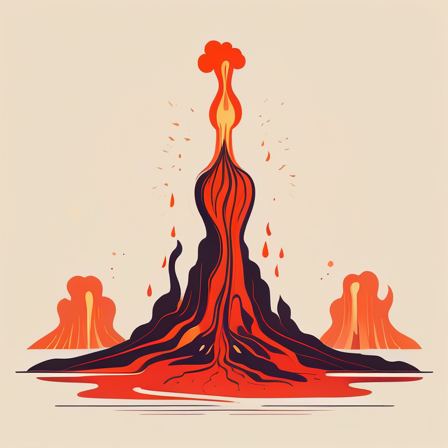
Lava fountains and flows
Low silica basalt is runny, so bubbles simply rise and pop. You get fountains and orange rivers of lava at around eleven hundred degrees, usually moving slowly enough that people can walk away from them. This is Hawaii and Iceland.
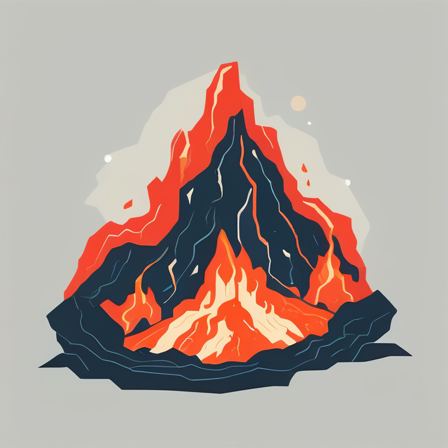
Lava freezes into new rock
Lava cools into fresh black rock, and eruption after eruption it stacks into a broad gentle shield. Mauna Loa was built entirely this way, and it is the largest active volcano on Earth by sheer volume of rock.
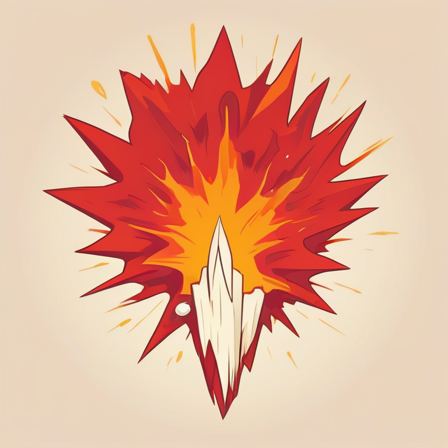
Sticky magma explodes
High silica magma is stiff, closer to cold peanut butter than to syrup. The bubbles cannot escape, pressure keeps climbing until the plug of rock finally fails, and the top of the chamber flashes into froth in a matter of seconds.
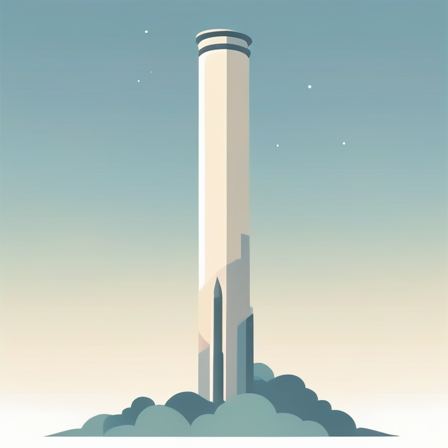
An ash column climbs the sky
The blast fires a column of ash and gas upward at hundreds of kilometres an hour, sometimes forty kilometres high, right through into the stratosphere. The cloud from Pinatubo cooled the entire planet by about half a degree for two full years.
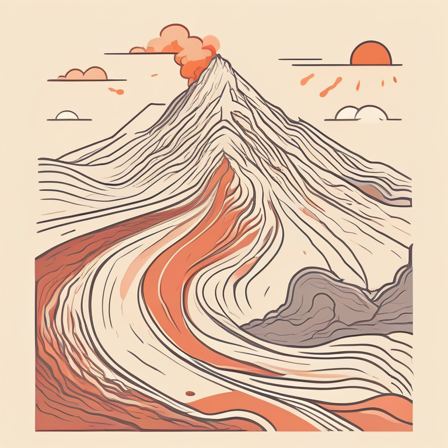
Pyroclastic flows race downhill
When that column runs out of lift and collapses, the worst thing a volcano can do begins. An avalanche of ash and gas at seven hundred degrees pours downhill faster than a car on a motorway. This is what buried Pompeii in a single morning.
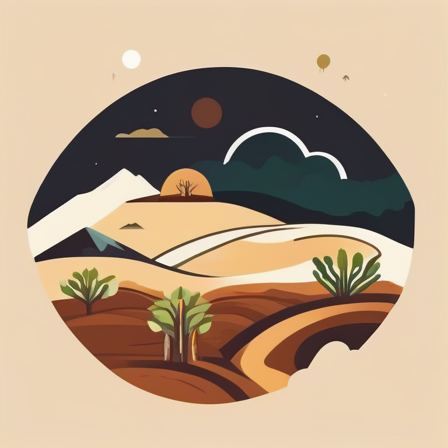
New soil and new land
Then the ash settles and slowly breaks down into minerals. Volcanic soil is extraordinarily fertile, which is precisely why millions of people choose to farm on the slopes of mountains that will certainly, one day, do all of this again.
Watch it explain itself
Every step above is narrated aloud. Play it, or open it in the editor and make it yours — no account needed.